Home Blog Page 6

Edible Insects

Our planet’s population is expected to reach nearly 11 billion by the end of this century, which will create a major global challenge: How will we feed so many people? Current agricultural practices, whether producing animals or crops, require too much land, water, feed or fertilizer to be sustainable at such a scale.

But Carleton University PhD student Matt Muzzatti believes a small creature could play a big role in the solution to our global food crisis. His research can help provide important protein and nutrients and, at the same time, shows what’s possible when we address significant problems in innovative ways.

Muzzatti, a budding biologist, is exploring the mass rearing of crickets as an alternative food source.

“The edible insect industry likes to describe them as a sustainable superfood,” he says.

“Not only are they healthy for you, but they also require a lot fewer resources to farm than a comparable amount of protein from conventional sources of meat like beef, pork or poultry.”
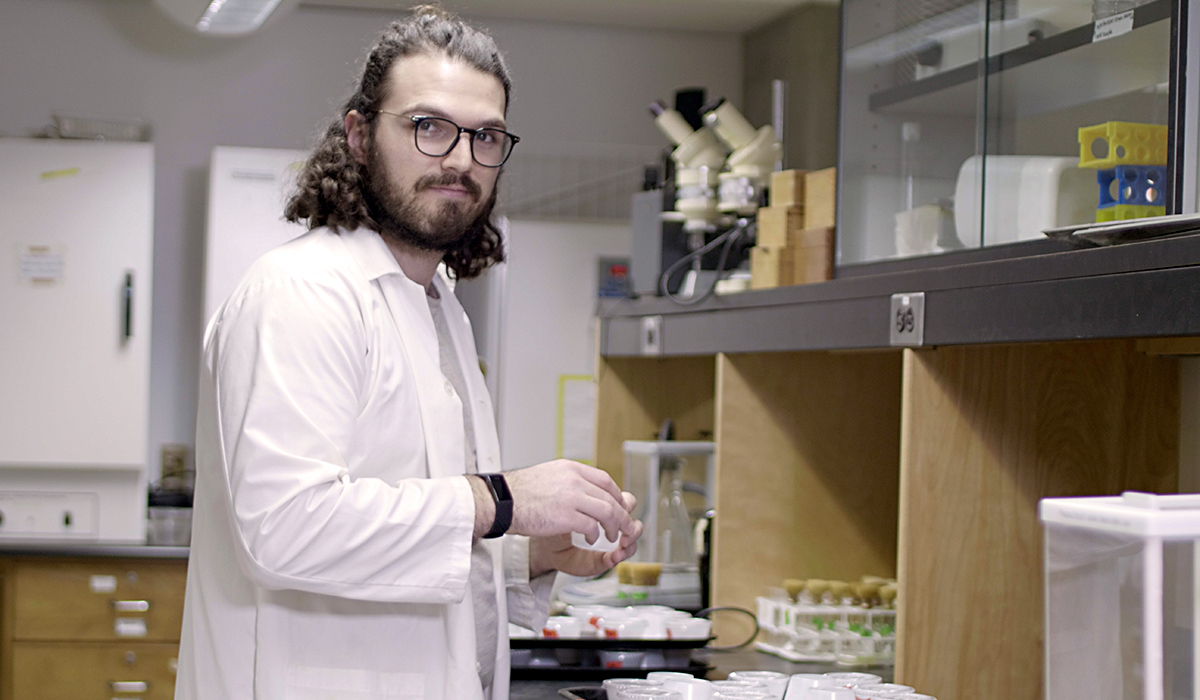
PhD student Matt Muzzatti, who believes cricket protein could play a big role in the solution to our global food crisis
Carleton University PhD student Matt Muzzatti

Cattle, for example, need 21 times more land, 13 times more water and 8.5 times more feed than what’s required to produce the same amount of cricket protein. The insect also provides ten times more vitamin B12 than salmon, twice as much iron as spinach and twice as much calcium as milk, which is not only good for our bones and teeth but also beneficial for those who are lactose intolerant. And much more is consumable: only 40 per cent of a cow is edible, compared to 80 per cent of a cricket, whose wings and legs are typically removed during processing.

Although the “ick factor” may stop some people from thinking about insects as food, two billion people around the world currently eat more than 1,600 different species of insects. The vast majority are harvested in the wild, explains Muzzatti, and only five species are farmed in any significant way: the Gryllodes sigillatus that he studies, two other types of cricket, the black soldier fly and mealworms.

Muzzatti, who developed an interest in crickets at a campus bug day event while working toward his master’s degree, collaborates with Entomo Farms near Peterborough, Ont. Entomo raises free-range crickets inside three football field-sized barns, where they live between cardboard dividers and have access to troughs of feed and water.

The company—a big part of Ontario’s claim to be the cricket capital of Canada—harvests about eight million insects every week and sells products such as cricket powder at mainstream supermarkets, as well as whole roasted crickets and snacks like energy bars and cheese puffs made with cricket flour.

Versatile cricket protein powder can be added to pasta sauce, smoothies or just about anything you’re cooking, while the roasted crickets are described as having a nutty, sunflower-like taste. Both are an option for vegetarians looking for alternative sources of protein.

The Science of Cricket Protein

Through his research, Muzzatti is attempting to optimize the diet of farmed crickets, to minimize the inputs and maximize the yield. In his lab at Carleton University, he raises hundreds of the insects inside individual plastic cups, which are arrayed on cafeteria trays and kept inside an incubator where the temperature and light can be precisely controlled.

“We make their food in-house—a mixture of proteins, carbs and vitamins—and regulate every ingredient,” says Muzzatti.

“We do things like change the carbohydrate-to-protein ratio and see how that impacts body size, lifespan and time to adulthood. It’s basically analytical baking.”

By paying attention to what and how much a cricket eats, and by weighing it frequently, he hopes to create a “Canada’s Food Guide” for crickets that can help farmers achieve optimal yields by making small tweaks to their diet.

Close up of a cricket on a green leaf

“When we domesticated farm animals, we practiced artificial selection to encourage desirable traits such as larger body size to make farming more efficient,” says Muzzatti. “There’s tons of science around artificial selection, but nobody has really connected the science to edible insects.

“There’s a lot of room for this industry to grow,” he adds.

“It has so much potential.”

Muzzatti, who hopes to establish the first dedicated edible insect research lab in Canada someday, is also involved in a side project. He’s supporting fourth-year Carleton student Sophie Kasdorf, who is using by-products from a brewery, spent grain and yeast, as a source of protein and carbohydrates in cricket feed—recycling waste to make the production of cricket protein even more sustainable.

“Science takes a long time to produce results, but it helps that there’s a bigger picture we’re working toward,” says Muzzatti.

“A project like this makes me feel that I have some control over bigger challenges like climate change. That helps ground me and makes it feel like I’m making a difference.”

–
Sustainability

Remote, Hybrid or In-Office

At the beginning of 2021, 32 per cent of Canadian employees worked most of their hours from home, compared with only 4 per cent in 2016. As we start to see light at the end of the pandemic tunnel, millions of Canadians could resume working in their offices on a regular basis in the very near future, leaving employers across the country with a significant challenge and opportunity.

“The rise in remote work will have society-wide impacts and provides us with a rare real-time opportunity to learn something new about work and introduce changes that benefit us all.”

  • from the Conference Board of Canada report “Remote, Office, or Hybrid?” co-authored by Carleton’s Linda Duxbury

COVID-19 represents a watershed moment, changing forever how and where people work. As companies and organizations attempt to figure out whether staff should continue working at home full-time or part-time, or if everybody should be back onsite, they need data and direction to make the right decisions.

“We’re at a demarcation point,” says work-life balance and change management expert Linda Duxbury, the Chancellor’s Professor at Carleton University’s Sprott School of Business. “The whole system has been destabilized and everything is possible now.”

Linda Duxbury on Hybrid and Remote Work
Linda Duxbury, Chancellor’s Professor at Carleton University’s Sprott School of Business

What employers and employees needed was a guide for how to manage talent amid this new reality. Duxbury recognized this need and, in partnership with the Conference Board of Canada, she and her former PhD student Michael Halinski co-authored a report that examined employee preferences around remote, hybrid and in-office work arrangements.

While the pandemic showed that remote work is possible, it does not mean that working at home can replace office work. Moreover, the transition that’s underway is extremely complex because there are so many different employment sectors and types of jobs, not to mention the wide spectrum of individual circumstances.

The Future of Remote Work

Duxbury’s examination of more than 26,000 survey responses from Canadians revealed a rich diversity of experiences and a significant difference of opinion around work preferences going forward.

For many, working from home eroded work-life balance and dramatically increased stress, anxiety and insomnia. Some are looking forward to a full-time return to the office, while others would prefer to remain fully remote. Which explains why even within a single organization or company, a one-size-fits-all solution may not be realistic.

“There’s no playbook for what’s happening,” says Duxbury.

“Managers are going to have to have some honest discussions with employees, who have developed a new set of working habits over the past two years. Organizations and employees need to be willing to compromise on how work will be structured post-pandemic.”

A remote worker

Even if management and staff agree on a hybrid arrangement, however, determining how many days each week are for remote work, as well as which days and whether all employees have to stick to the same schedule, presents a new set of challenges.

“How do you manage a hybrid team?” asks Duxbury, noting that while there are advantages to in-person work, such as brainstorming and relationship building, some tasks can be done well from home.

“It’s much easier to manage a workforce when everybody is remote or everybody is in the office.”

Her suggestion is to gain an in-depth understanding of who is on a workplace team and what the team does, and then come up with a “sweet spot”—the number of days each week that people should be onsite together.

This approach requires communication and flexibility from both employers and employees, which is one of the keys to making the transition to the new work world as smooth as possible.

Duxbury calls for employers and employees to adopt a test-and-learn mindset—experimenting with and piloting new approaches to work as individuals, business units and organizations. In other words, the report states, they must be “willing to start from scratch, question everything and make intentional decisions with a clear, evidence-based rationale.”

A remote manager wearing a headset

“Leaders need to admit that this is all new for them as well,” says Duxbury.

“That’s leadership. While employees need to compromise, there are multiple views out there and no one is likely to get exactly what they want.”

In addition to managing this shift, employers are going to have to find new ways to measure productivity. Remote workers tended to put in longer hours during the pandemic, letting tasks creep into their evenings and weekends, but that didn’t necessarily translate into an increase in output.

As life normalizes—with children back at school and the stress of a global virus diminishing—employees are going to have to find a healthy work-life balance and employers are going to have to figure out how to assess their contributions.

Underlying this transformation is a nationwide talent shortage. In many sectors, employers are competing to recruit and retain staff, which means they may need to take a step back, review their overarching goals as an organization, familiarize themselves with the pros and cons of various work arrangements, and map out a new path.

As Duxbury’s report declares, “The rise in remote work will have society-wide impacts and provides us with a rare real-time opportunity to learn something new about work and introduce changes that benefit us all.”


Click here to download the report at no cost: Remote, Office or Hybrid? Employee Preferences for Post-Pandemic Work Arrangements

–
The New Economy

A Healthy Business Plan

A pandemic. Climate change. War in Europe.These challenges not only have a devastating impact on physical, environmental and economic well-being across Canada and around the globe, they have also exacerbated an ongoing mental health crisis.

One of the ways to seek peace and perspective in the face of such existential calamity is to spend time outdoors or with plants. This idea, that there is healing in nature, is at the heart of a social enterprise launched last year by Carleton University MBA graduate Alexis Ashworth.

“An abundance of research shows that people are emotionally, mentally and physically healthier when they interact with plants and the outdoors,” she says.

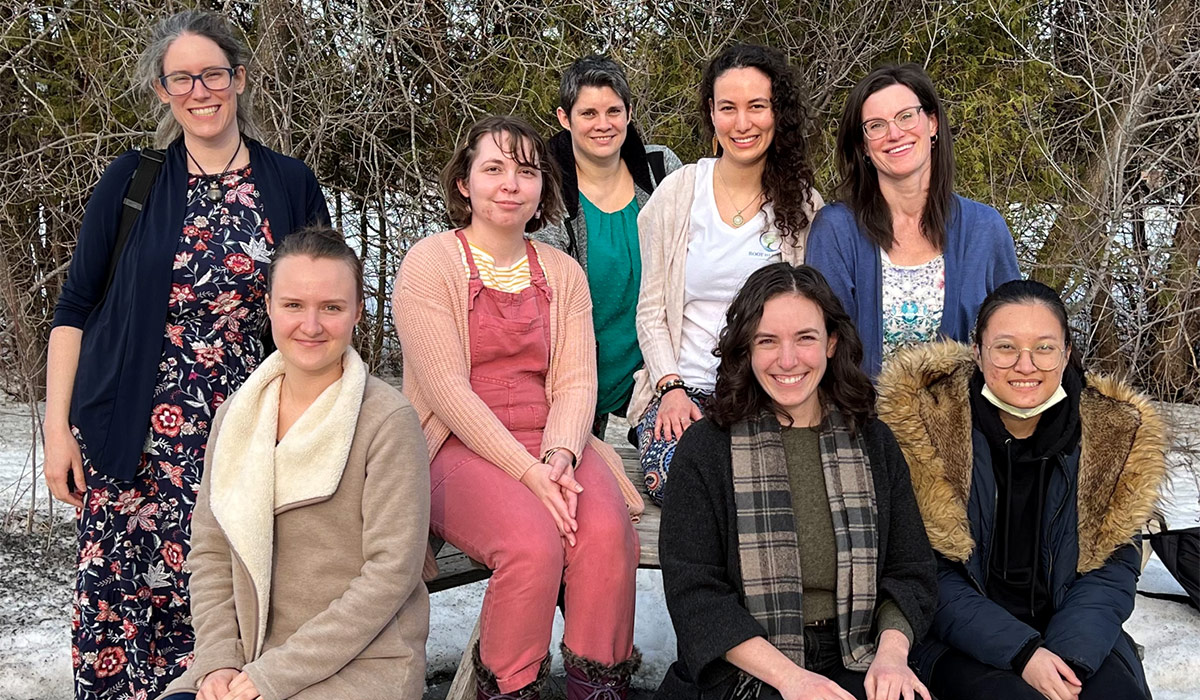
The Root in Nature team

Ottawa-based Root in Nature offers horticultural therapy, nature-based programs and employee wellness sessions, all aimed at nurturing resilience, hope and mindfulness in these uncertain and turbulent times. And while there’s increasing demand for services that tackle anxiety and stress, Ashworth aims to do more than tap into a growing market.

“With a limited number of years on this planet,” she says. “I want to do something I’m passionate about and something that can help people.”

Ashworth, who left her job as the CEO of Habitat for Humanity Greater Ottawa in September 2021 to start Root in Nature, is part of a pandemic-prompted wave of entrepreneurs pursuing meaningful work. Initially, the trend that saw professionals leaving their jobs over the past couple years was dubbed “the great resignation,” but she suggests it should be called “the great realignment” because people are searching for paths that fit their personal priorities.

Root in Nature is a for-profit social enterprise, which means it’s structured like a conventional business, albeit one with an underlying goal of improving the lives of its clients. Rather than set up a non-profit organization governed by a board, Ashworth wanted to start a venture that she could own and operate for the rest of her career.

“The pandemic has exposed the need for more mental health supports and services,” she says.

“There’s a lot of opportunity in this area.”

Horticultural Therapy for Holistic Health

This vision, and a staff of seven practitioners she can call upon, will allow her to grow the business sustainably, starting with horticultural therapy programs at the Just Food Community Farm in Ottawa’s east end and virtual gardening sessions this spring for non-profits that support seniors, young mothers and other communities.

Ashworth is also talking to companies that run retirement and long-term care homes, which serve a population that has been particularly impacted by the pandemic. Her team has started providing horticultural therapy for seniors with dementia at Symphony Senior Living and will begin providing services with Aging in Place at Ottawa Community Housing buildings this spring. Root in Nature also is partnering with the Children’s Hospital of Eastern Ontario (CHEO) to run programs for youth with autism and those who are struggling with what The Lancet calls “climate anxiety.”

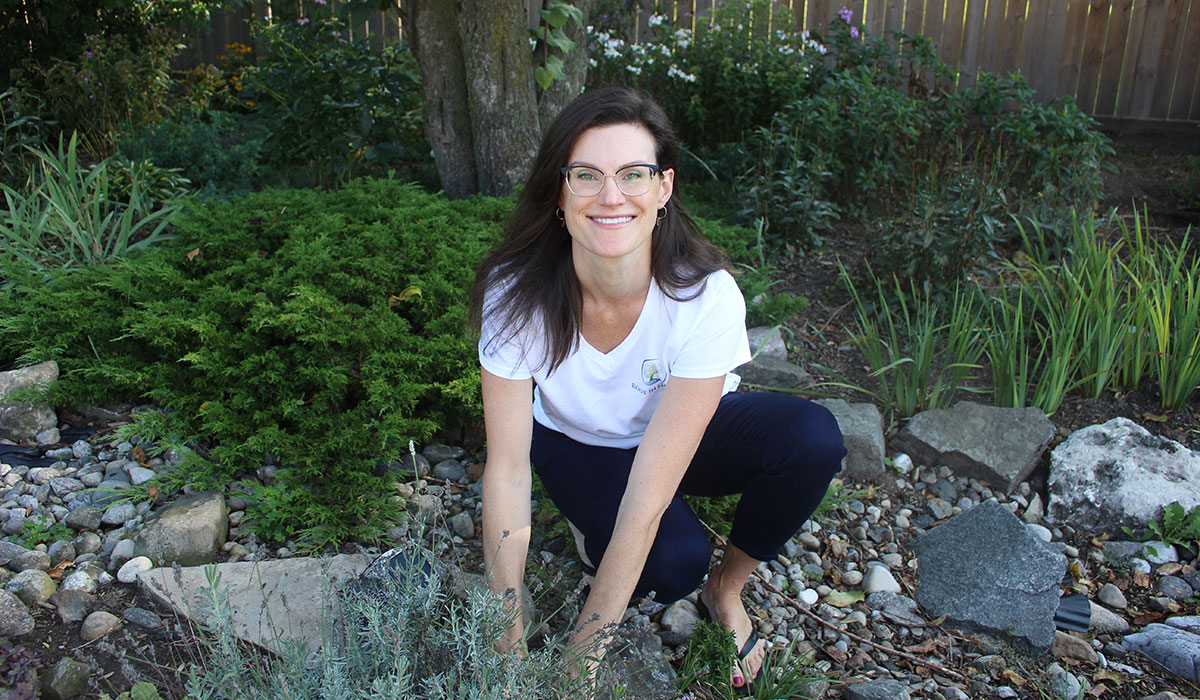
Alexis Ashwroth and the Root in Nature team offer horticultural therapy, nature-based programs
Alexis Ashworth

“It’s a serious problem for many people, for youth in particular, and I couldn’t find any treatments that were focused on this issue,” she says.

“This is important to address, or we’re going to have a whole generation growing up with a sense of dread and doom about the future.”

On the employee wellness front, the Carleton grad has developed a lunch-and-learn presentation called Nature in the Workplace that shares practical tips to help workplaces support the health needs of staff.

“Several studies show that having a plant in every square metre of office space is optimal for enhancing productivity,” Ashworth says. “Beyond bringing plants inside, orienting desks toward windows or adding nature scenes can have a psychologically restorative effect.”

Decades of scientific research affirm the curative properties of nature, including a seminal study that showed post-operative patients whose hospital rooms had windows overlooking natural scenes recovered more quickly from their surgeries than people who had a view of a brick wall.

“It’s only in very recent human history that we’ve been living in an urbanized world, disconnected from wildlife and trees and the outdoors,” explains Ashworth.

“Our brains are still wired to be in the natural world. This disconnect has a whole range of health implications.”

With a horticultural therapist on staff in Toronto and virtual programming available anywhere in the country, Root in Nature could expand across Canada within the next five years, says Ashworth. And though she doesn’t want to sacrifice her own work-life balance or mental health, her experience running a non-profit and earning an MBA at Carleton University were perfect preparation for this next step.

“I really love managing and overseeing things,” she says.

“In my role I focus on a lot of different aspects of the business and keep everything moving in the right direction, at the right time.”

–
Social Innovation

Lead image by Karolina Grabowska / Pexels

Mission Critical Technology

As more and more companies and countries launch satellites and other spacecraft into orbit, the value of the global space industry is expected to soar from around $450 billion (USD) to roughly $1 trillion within the next two decades. These satellites, which are used for telecommunications, Earth observation and other important purposes, are single-use, but as the industry moves towards reusable spacecraft, they will require regular refuelling and maintenance. That means additional spacecraft must be launched to service vessels already in orbit, so they don’t become debris when they run out of fuel, get damaged or need upgrades such as new antennae or solar panels.

Docking one spacecraft to another is a very challenging procedure, which is why a pair of Carleton University engineering graduates started Obruta Space Solutions, an Ottawa-based company whose goal is to simplify the process of servicing a spacecraft.

“Right now, we’re seeing a transition away from single-use spacecraft,” says Kevin Stadnyk, who earned master’s and undergraduate degrees in Mechanical and Aerospace Engineering from Carleton and co-founded Obruta with Kirk Hovell, who has three degrees, including a PhD, from the same program.

“A lot of companies are getting into this industry to do in-orbit refuelling and repairs. They need spacecraft to communicate with and physically link to each other, and that’s really difficult.”

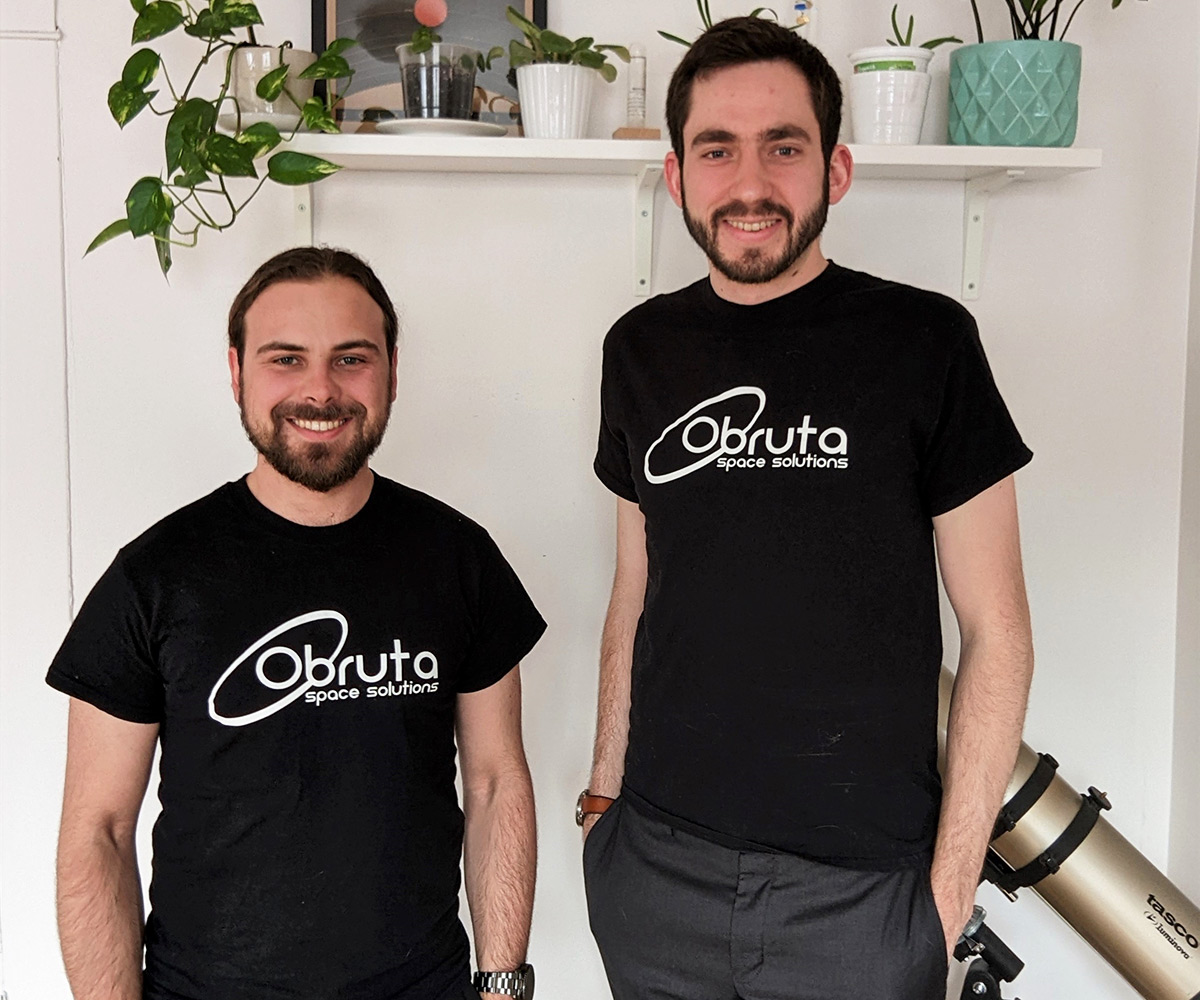
Photo of Kevin Stadnyk and Kirk Hovell of Obruta who are working to make spacecraft more sustainable
Kevin Stadnyk and Kirk Hovell, co-founders of Obruta

Space Challenge

Obruta is the Latin word for debris, which is the space challenge that Stadnyk and Hovell planned to tackle when they established their company on July 20, 2019—the 50th anniversary of the first moon landing. Even though the two grew up 10 minutes away from one another in Nova Scotia, they met and began collaborating in Carleton engineering researcher Steve Ulrich‘s Spacecraft Robotics and Control Laboratory.

Despite early success in a couple of space entrepreneurship competitions and a contract from the Canadian Space Agency to study debris removal technology with an eye toward commercialization, Obruta shifted to its current focus.

Beyond telecommunications, which encompasses everything from the business and finance sectors to entertainment, satellites have become indispensable for navigation systems such as GPS, climate and environmental modelling, weather forecasting and land stewardship, and for monitoring things such as wildfires, oil spills and marine traffic. Satellites make us safer and, even if we don’t realize it, are part of our everyday lives.

“The problem, however, is that they’re typically launched with one big tank of fuel, and they need that fuel to stay in orbit, otherwise the residual atmosphere will slow down a spacecraft and cause it to spiral back toward Earth and burn up,” explains Hovell.

“When their fuel runs out, they die, even if everything else is totally fine. That’s how we’ve been working in space for 60 years.”

Moreover, with the International Space Station scheduled to retire in 2031, five new space stations are in development, as are several orbital platforms where spacecraft will be able dock to exchange crews or cargo.

A Docking Kit for Spacecraft

All of this had led to Obruta’s first product, the Rendezvous, Proximity Operations and Docking (RPOD) Kit. It includes both hardware—such as cameras so spacecraft can see one another and know, for example, precisely when to fire the thrusters—and software, including algorithms that plan the trajectories so they can autonomously manoeuvre.

“We can make things easier for a lot of companies by supplying a technology that’s not available on the commercial market,” says Hovell. “If we remove the need for them to do this in-house, it’ll save them R&D time and allow them to focus on their core operations.”

Four clients have already signed on to buy 17 RPOD Kits for their eventual spacecraft, and Obruta is expecting more business from other satellite servicing and orbital logistics companies.

“There’s also the ‘last mile’ problem,” says Stadnyk.

“Today’s rockets blast off into space with a satellite, but they sometimes also carry additional satellites that aren’t going where the main customer is going. A last-mile transport vehicle will separate from a rocket once it’s in space and fly around as a separate entity, deploying satellites into customized orbits.

“There will be value for customers to have spacecraft that can remain in orbit and dock with various vessels, so they don’t have to launch new rockets that often, which is more sustainable and efficient than making a new spacecraft for every single mission. We’re developing a mission critical technology and lowering the barrier to entry to help the entire space economy thrive.”

“There’s a saying,” adds Hovell, “that in 20 to 30 years, every company will be a space company, because space is becoming so ingrained into our daily lives.

“We’re at an inflection point right now, and safe and reliable autonomous docking is one of the technologies that the industry is racing to develop. The market is growing and although it’s early, we’re looking at a promising future.”

–
The New Economy

Improving Orthopedic Implants and Surgery

Hip and knee replacements are two of the most common surgical procedures in Canada, with nearly 140,000 operations a year that cost the health-care system more than $1.4 billion. This figure includes revision surgeries, which are also called repeat surgeries and are generally more complex and lead to longer hospital stays than the initial operation.

Researchers at Carleton University and The Ottawa Hospital Research Institute are pursuing ways to improve the success of orthopedic surgeries and achieve robust long-term mobility for thousands of Canadians.

Through the new Ottawa Orthopaedic Biomechanics Core Facility, surgeons and researchers are using a robotic arm developed by KUKA, a German industrial robotics and factory automation company, to help them better understand the biomechanics of orthopedic implants.

“The purpose of the KUKA robot is to precisely reproduce real-life joint motions and forces so that we can better understand how injuries happen and to test innovative orthopedic procedures and implants to address these injuries,” says the lab’s lead researcher, Dr. Paul E. Beaulé, who is also Director of Research and Innovation for Orthopedic Surgery at The Ottawa Hospital.

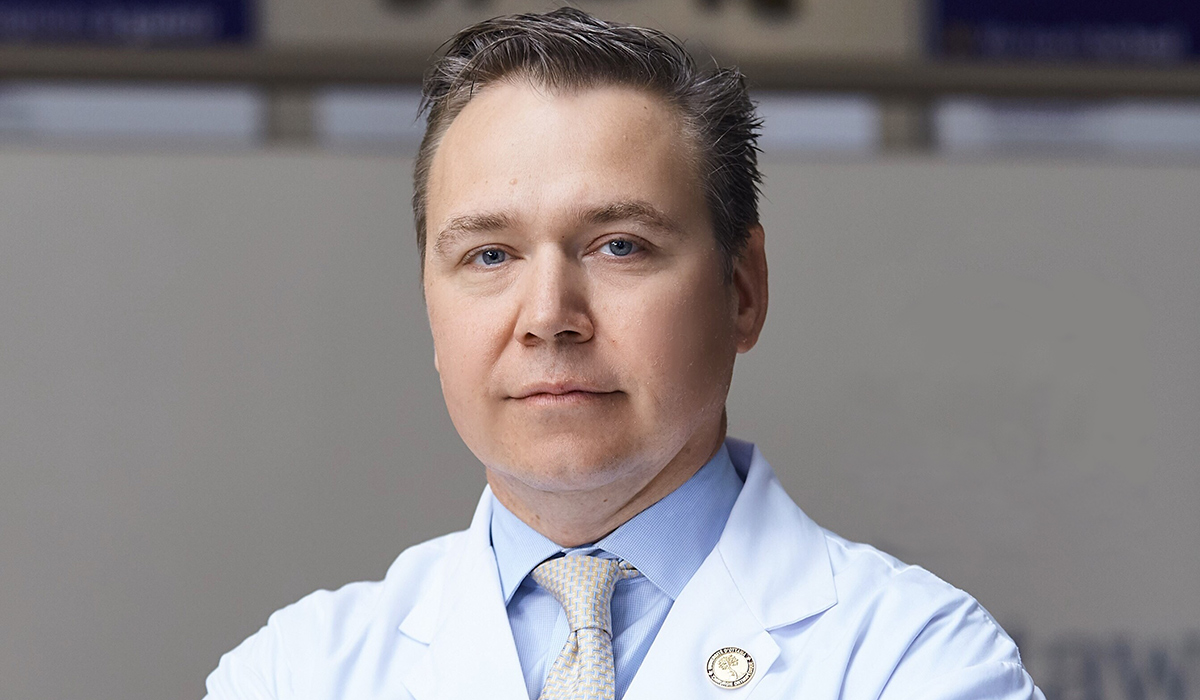
Dr. Paul Beaulé looks to improve orthopedic surgery innovations and the implants used
Dr. Paul Beaulé, Director of Research and Innovation for Orthopedic Surgery at The Ottawa Hospital

Carleton Mechanical and Aerospace Engineering researcher Andrew Speirs has worked alongside Dr. Beaulé and surgeons at The Ottawa Hospital for more than a decade. In this new project, the robot arm will allow him and the team to apply rotations and see how forces affect the reconstruction of joints.

“There are a lot of mechanics to consider in surgical repairs of anatomy in terms of how we move and how the joints are loaded—ultimately how a reconstruction technique performs,” says Speirs.

“In a reconstruction of an anterior cruciate ligament (ACL) in the knee, stability is very important. When a knee moves about, you want the ACL to constrain motion at certain times, so it does not hyperextend, but you also don’t want the knee to resist during normal motion. How a knee moves post-operatively depends on the material used and exactly how and where it is placed in the knee. That’s the type of scenario we’ll be able to test.”

In hips, a common deformity is at the top of the femur (thigh bone), which can rub on the acetabulum—the socket in the pelvis where the femur fits to create a hip—and cause degeneration on the rim of that socket.

“With this robot, you can load the joint with the same forces it would experience in daily life,” says Speirs.

“This includes anything that involves flexing the hip: climbing stairs, sitting down, leaning down or tying your shoe. More precise data about the load that is applied will help make our mathematical models more accurate.”

The new lab will also be investing in a digital image correlation system to allow researchers to assess the stress and strain on materials through non-contact analysis. This will help them test 3D printed materials that could make better implants.

Carleton Mechanical and Aerospace Engineering researcher Hanspeter Frei will be using the robotic arm to explore the potential of novel materials and innovative manufacturing techniques that could make implants stronger and more durable.

“There are a lot of things you can do with 3D printing that can’t be done with traditional manufacturing methods,” explains Speirs. “There are trade-offs with implants. A really stiff implant will support the load on the joint but take too much pressure off the bone. That can cause a loss of bone mass—not unlike what an astronaut experiences when they spend time in space.

“When a patient loses bone around the implant, it can come loose and can break,” he adds.

“3D printing could help design implants that are not as stiff, and they could be potentially more porous, which could allow the bone to grow into those pores and make the implant more secure. 3D printing enables you to design shapes that would be very difficult in traditional manufacturing.”

Walking and other forms of physical movement are age-old human activities, but they are not without their challenges. The high-tech solution being developed by Carleton researchers and their collaborators promise to help keep people active longer and more safely.

–
Health and Wellness

Lead image by Anna Shvets / Pexels

Connecting Fans, Athletes and Brands

Every four years the world is introduced to new Olympic heroes, as athletes who have worked for years to master their craft come into our lives in a wave of patriotism. However, in an instant, the spotlight is gone again. How can athletes connect with businesses to develop value-based partnerships in the rapidly shifting landscape of the 24-hour news cycle?

Ottawa Redblacks wide receiver and former Carleton Ravens student-athlete Nate Behar has developed a tool that may help, recently launching an app called FireWork that provides a solution for athletes to develop partnerships with brands and stand out.

The former Carleton Ravens football standout was already busy during the pandemic and continuing to train for his CFL career when he was approached several times by friends looking to tap into his CFL and NFL connections.

CFLer Nate Behar
Nate Behar, Ottawa Redblacks wide receiver and former Carleton Ravens student-athlete

Behar quickly realized there was a need for a system that bridged the gap between athletes and brands: “You hear it once you say, ‘Yes.’ You hear it twice and you say, ‘Okay.’ You hear it a third time and you say, ‘Wait, what’s going on here?'”

FireWork provides a “values-driven technology” to put the power of partnerships in the hands of the athlete, letting athletes identify like-minded connections that help both parties thrive.

“There has been a great response,” said the Carleton alumnus.

“One thing with athletes is that they’re busy, so it hasn’t been a straight line by any stretch, but the general support, belief and desire to be a part of this has been tremendous and overwhelming and that is what’s continued to spur this along.”

To help typically underserved athletes, Behar recently signed a two-year partnership with AthletesCAN, the association of Canada’s national team athletes.

Supporting National Team Athletes and Brands

The partnership aims not only to connect Canadian national team athletes with partners but also to provide key educational resources to help them develop important skills for effective pricing, pitching and negotiating. In addition to focusing on partnerships, FireWork will also be providing AthletesCAN athletes with two workshops a year in the areas of self-funding, personal branding and marketing, and athlete commercial rights.

“We are excited to form this innovative relationship with Nate, as part of AthletesCAN’s new strategy,” the organization said in a statement.

“FireWork’s promotional platform provides the opportunity to our 6,000-plus membership base to create innovative digital content to help grow their personal brands and ultimately land prospective partners.”

The partnership will also help FireWork reach more athletes and brands faster. The rapid growth isn’t lost on Behar either. Reflecting on those early days, he admits that sitting in coffee shops working on a small passion project was eye-opening.

Various screenshots of the FireWork app
Screengrabs from the FireWork app

“I was realizing I had no idea how much I didn’t know,” he said, adding, “we’re much further along than I ever thought we’d be and that’s an awesome feeling.”

“There’s been no time like the present for brands to work with athletes. The athletes themselves know it too. They know there’s no time like the present to put their name out there, to monetize and build their brand.”

At its core, FireWork is an opportunity for athletes at all levels to focus on developing their brands. From the OUA standout to the Olympic gold medalist, there is something for everyone within the platform.

For Behar, the true value of FireWork is not necessarily the help it can provide to the household name but the impact it can have on the lives of athletes grinding day in and day out to make a living at their sport.

“Equitable growth is core to everything that we do. That is the value of this platform. This wasn’t designed for Lebron James, it was designed for everybody else to get a shake, and that counts for male, female, Olympian, Paralympian, the CFL athletes, the CEBL, the athletes that haven’t gotten the chance but still have all that value—this is who FireWork is really for.”

–
The New Economy

New Research Suggests Link Between Contaminants And Diabetes

Right now, nearly one in three Canadians—11 million people—are living with diabetes or prediabetes, and the numbers are on the rise. Diabetes is a major cause of blindness, kidney failure, heart attacks and stroke, and health experts aren’t sure why incidence has been increasing so dramatically. Diabetes is a chronic condition that prevents the body from producing the insulin it needs to regulate the amount of sugar in the bloodstream or prevents the body from using the insulin it makes effectively. Rates of both type 1 diabetes (an autoimmune reaction that causes the body to attack insulin-producing cells) and type 2 diabetes (which accounts for about 90 per cent of all cases and can be triggered by poor diet and a sedentary lifestyle) are growing.

Genetic risk factors play a role but don’t account for this alarming trend on their own, according to Carleton University biology researcher Jenny Bruin, who believes that exposure to environmental contaminants is an important culprit.

Carleton University Prof. Jenny Bruin
Biology researcher Jenny Bruin

To address this challenge, Bruin is investigating which contaminants are behind the increase in both types of diabetes. And she is also part of a major project that’s developing insulin-secreting beta cells in a lab that can be transplanted into the body to treat type 1 diabetes and perhaps one day stop the disease.

“We have to understand what’s causing diabetes in order to address the underlying problem,” says Bruin, who shifted from toxicology to diabetes research during a postdoctoral fellowship. “That’s when I learned how prevalent this disease is and how much it impacts people’s daily lives. You can never turn it off.”

Understanding the Impact of Environmental Contaminants

Bruin and her team of Carleton students are zeroing in on contaminants that take a long time to break down in the environment and similarly have a long lifespan within the human body because they accumulate in our fat.

Prof. Bruin working with graduate students
Jenny Bruin and two of her Carleton graduate students

They’re doing experiments with chemicals used in flame retardants as well as PFAS chemicals that can be found in clothing, cookware and furniture. Pesticides and chemicals used in agriculture are also on their radar.

“We know from the epidemiology literature that people who have higher levels of pollutants in their blood also have higher rates of diabetes,” says Bruin.

“We’re starting to generate evidence to show that there is probably a causal relationship.”

By exposing beta cells in a Petri dish to various contaminants, one can study how their ability to secrete insulin and other molecular pathways are affected. This allows Bruin to measure—in a controlled setting, using both animal and human cells—what “dose” of each chemical has an impact, as well as explore the interplay between contaminants and other variables such as sex and high-fat diets.

“One of our goals is to provide the best possible data to regulatory agencies,” she says. “Certain chemicals might be causing or contributing to diabetes incidence, so we’re assessing which concentrations could be harmful. There is enormous value to some of the chemicals we use, but we need to understand their broader health impacts.”

Developing Insulin-Producing Cells in the Lab

For the stem-cell project, which is supported by a five-year, $3-million grant from the Canadian Institutes of Health Research (CIHR) and JDRF Canada, Bruin and a team of researchers across the country are developing human beta cells in a dish.

These cells will primarily be for patients with type 1 diabetes—to replace beta cells that have been destroyed by their immune systems—but could also be used to treat type 2 diabetes.

“One strategy currently being tested in clinical trials is converting stem cells part way toward becoming beta cells,” Bruin explains.

“These cells can finish the final stages of their development after transplant and become insulin-producing cells.”

A lab technician at work

Taking this process one step further, the CIHR/JDRF-funded team is also attempting to make fully functional cells in the lab, rather than allowing the final stages of development to occur in the patient, so they end up with cells that secrete insulin at the right times and in the right amount. This would eliminate the risk of cells that work perfectly in a controlled environment not functioning as expected in the body when they’re exposed to variables such as contaminants, diet, medication and lifestyle.

“Another aspect of this project,” she adds, “is potentially engineering the stem cells to be resistant to some of those post-transplant environmental exposures.

“The fact that these cells are being tested now in a clinical setting gives me a lot of hope and optimism,” says Bruin.

“Talking to patients with diabetes, especially families of young kids with diabetes, has had a tremendous impact on me. That’s what drives me every day.”

–
Health and Wellness

Improving Cognitive Abilities in Older Adults

The human brain is the most complex organ in the body and the most powerful computer in the universe. It controls everything from thought, emotion and memory to breathing and motor skills—the full spectrum of psychological and physical activities that allow us to engage with and make sense of the world. But what happens when it ages? As we get older, our cognitive abilities decline, impacting our memory, the speed at which we process information, how we handle distractions and our capacity to remain independent.

Carleton University cognitive science researcher and Canada Research Chair John Anderson, director of the Cognition and Neuroscience of Aging Lab, wants to help optimize the cognitive performance of older adults.

Carleton University researcher John Anderson on improving cognitive abilities in aging brains
John Anderson, cognitive science researcher and director of Cognition and Neuroscience of Aging Lab

To meet this challenge, he is combining two strands of inquiry—the interaction between long-term lifestyle factors such as bilingualism and social interaction and temporary, contextual factors such as time of day, caffeine and mood—that are typically studied separately. This will allow him to develop a holistic picture of brain health and suggest behavioural modifications that keep our brains firing on all cylinders.

“People in their 70s, 80s and 90s are a huge, ballooning portion of the population,” says Anderson.

“There’s going to be tremendous pressure on the health-care system, so there’s a real need to help people age in place and age gracefully.”

Improvising Cognitive Abilities

Much of Anderson’s research revolves around cognitive reserve, which is defined as the “brain’s ability to improvise and find alternate ways of getting a job done.” Since the concept originated in the 1980s, cognitive reserve has been shown to mitigate the symptoms of dementia and other degenerative changes in the brain and make people more resilient when they face unexpected hurdles such as stress and illness.

People can do several different things to enhance their cognitive health, he explains, including aerobic exercise (which increases the volume of the brain) and avoiding red meat (which is correlated with shrinkage of the brain). But speaking a second language, much like getting a higher education or working at a challenging job, “extends the period where you are cognitively normal before you sort of drop off the cliff.”

By conducting magnetic resonance imaging (MRI) scans on monolingual and bilingual volunteers, Anderson can see which parts of the brain show atrophy and which parts show activity while performing certain tasks. Less high-tech methods like eye tracking and behavioural experiments are also part of his research programme.

“What we found, when we compared older adults who were bilingual and monolingual, is that the bilinguals have more efficient brains,” he says. “They don’t need to ramp up the activation quite as much as monolinguals do to achieve the same output.

“This is probably due to the fact that there are stronger, functional connections between the regions of the brain that are contributing to the task. Because of these stronger connections, the load of the task is sort of distributed.

“There was a time when people saw the brain as a set of separate modules that didn’t really talk to one another,” he adds.

“That’s not true. We know the brain is an interconnected network.”

New Visualization and Simulation Building

When his new lab in Carleton’s Visualization and Simulation Building is ready later this year, Anderson and his colleagues will be able to continue these types of experiments and begin new projects that provide insights on cognitive performance.

Because the brain is so complicated, however, and because people must navigate so many different aspects of the world at the same time, he cautions that we shouldn’t rush to oversimplify solutions.

“The right changes differ at the level of the individual and everybody’s particular context and genetics,” says Anderson, noting that researchers are still attempting to tease out the relationship between stress, depression, mild cognitive impairment and neurodegenerative conditions.

“It’s worth engaging with complicated ideas in the search for answers.”

Ultimately, one of Anderson’s goals is showing that people can make lifestyle changes when they’re still young—say, making a conscious effort to exercise and socialize more while in their 30s and 40s—that provide a boost to their “future selves.”

“For younger adults and middle-aged people, there’s a lot of opportunity to intervene and ‘course correct’ so they’re no longer on a trajectory toward an early cognitive decline,” he says. “Most people don’t really empathize with their future selves, but if you can put them in a situation where they’re thinking about what their lives will be like when they’re older, they might make lifestyle choices that are better for themselves in the long run.”

While this research does have the potential to help individuals, Anderson has his sights set on wider societal and policy changes.

“If this work leads to policy interventions,” he says, “it could help a lot of people live their best lives.”

–
Health and Wellness

Lead image by RDNE Stock project / Pexels

Success at School and Beyond

Roughly 1.2 million children and youth in Canada experience mental health challenges, from anxiety and depression to eating disorders and attention-deficit/hyperactivity disorder (ADHD). About 70 per cent of illnesses like this arise before adulthood, impacting young people during critical developmental years and increasing the risk of difficulties later in life.

Although school is one of the places where children learn how to make sense of the world, the education system can be a difficult environment to navigate, especially for those who are already facing obstacles—a concern amplified by the COVID-19 pandemic.

Carleton University psychology researcher Maria Rogers brings together two important areas of study for children and youth—mental health and education—to improve our understanding of how they interact. Education is one of the primary social determinants of health, and her ultimate goal is to help nurture success at school and beyond.

Carleton University researcher Maria Rogers
Maria Rogers, psychology researcher and Canada Research Chair in Child and Youth Mental Health and Well-Being (Photo by Lindsay Ralph)

“The individual and societal costs of mental health problems in childhood are substantial and well-known,” says Rogers, a Canada Research Chair in Child and Youth Mental Health and Well-Being. “We know far less, however, about how mental health difficulties in childhood impact children’s learning and experiences at school.

“By deepening our knowledge about child and youth mental health and its associated educational impacts, we can fundamentally divert negative trajectories and reduce the suffering of some of our most vulnerable citizens.”

Mental Health Fallout from COVID-19

In addition to her research, Rogers is a practicing clinical psychologist. The insight she gains from that job informs her research, and vice versa.

In her practice, Rogers specializes in supporting Indigenous children and youth in their school and learning endeavours. A member of the NuntatuKavut community of southern Labrador, Rogers works with families and educators, both on reserve and in the Ottawa-Gatineau area, bringing a culturally sensitive approach to her sessions with young clients.

One of the biggest issues that Rogers and other youth mental health professionals are contending with these days is the fallout from the pandemic.

“All children in Canada have been dramatically affected by it, but children and youth with pre-existing mental health conditions and neurodevelopmental disabilities have been disproportionately impacted,” she says.

With support from the Canadian Institute of Health Research (CIHR), her research team is following a large, “nationally-representative sample of children and families affected by ADHD in order to understand the impact of the pandemic on this population and its ripple effects over the coming years.”

Key Relationships for Healthy Development

Children with mental health challenges and neurodevelopmental disorders such as ADHD— the second-most frequent diagnosis in childhood after anxiety—are at a higher risk for academic underachievement as well as poor engagement and poor participation in school.

Rogers’ research examines the relationships at the centre of children’s lives— teacher-student, parent-child and even teacher-parent relationships—to help develop solutions to encourage more supportive and nurturing relationships for at-risk children.

“Despite these kids having average intellectual abilities, they experience more mental health difficulties, more family relationship problems and far greater educational underachievement compared to their neurotypical peers,” she says. “I’m particularly interested in parents and teachers and how they can foster healthy development in that population of kids.”

The family or home environment is an important aspect of Rogers’ work in part because of the role it plays in absenteeism.

“School attendance problems have come into a new light recently—more children are missing school than ever before,” she says. “We hope to find ways to improve family well-being in order to promote school attendance among children and youth who are chronically absent.”

–
Health and Wellness

Lead image by Yan Krukau / Pexels

Preparing for Space Travel

0

As long-distance space travel transforms from a science fiction fantasy to a near-future reality, humanity is faced with a complex challenge: Can people socially and culturally adapt to and survive spending years hurtling across the universe in a contained, artificial space?

Dr. Shawn Graham, Department of History

Shawn Graham, a digital archaeologist and historian at Carleton University, is working with the International Space Station Archaeological Project (ISSAP) to record and analyze the rich material culture onboard the International Space Station (ISS) after more than 20 years of human occupation.

“As far as we know, no other beings have ever left their home planet,” says Graham.

“We are documenting this not only to preserve the past, but also to understand what it means to be human.”

And to prepare for the future.

For Graham, this research is essential for understanding a brand-new facet of the human experience.

“If we’re going to be serious about space flight,” he says, “we need to understand how spacecraft create places for human dwelling and interaction, and how human interaction affects those dwellings in turn.”

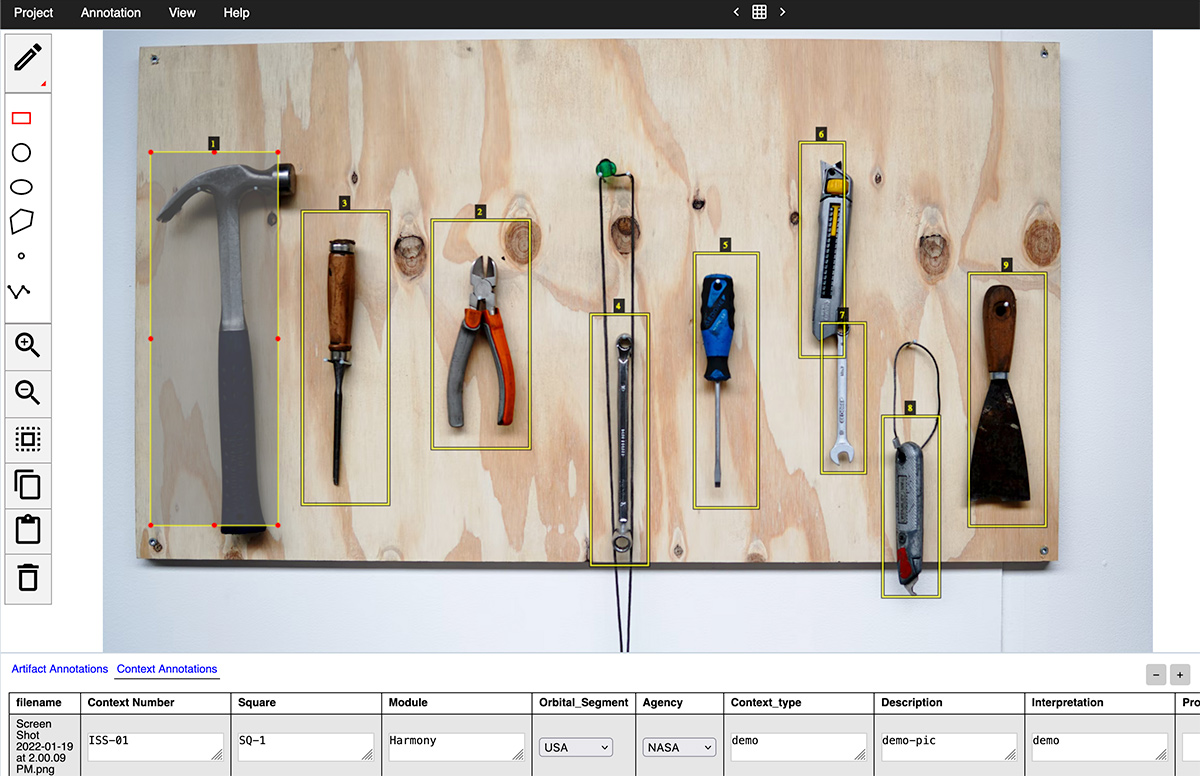
In addition to reviewing key procedures and policies associated with the ISSAP, Graham was asked to develop a digital data-entry system to help researchers make archaeological sense of human activity on the ISS.

He brought on Carleton History and Data Science master’s student Chantal Brousseau, a recent Digital Humanities Award winner, who built upon his initial sketches using an open-source image annotation tool.

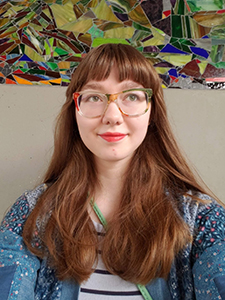
Chantal Brousseau, MA Student in History and Data Science

Together, Brousseau and Graham have created an application capable of processing and analyzing photographs of various spaces within the ISS. These snapshots will be dutifully taken by astronauts on an almost hourly basis as part of their research duties while aboard the station.

The application uses the photos as timestamps to study how these material spaces steadily change over time. It allows the researchers to identify specific objects (a pencil clipped to a peg board, for example, or a pair of scissors attached to a tether) and track their movements across multiple photos. The software then pushes the data into a graph database, which is used to identify patterns.

The tool also lets researchers annotate photographs for eventual machine learning—meaning that, eventually, Brousseau and Graham will be able train a computer to analyze the images just like an archaeologist would. Ultimately, the data captured in this project will enable researchers to finally tell the full story of how humans co-exist within the built space of the ISS.

“NASA and the other space agencies have for years been tracking everything that goes up to the space station—they have to account for the weight when figuring out the fuel requirements of the launch vehicle, for instance—but apparently there are things that have gone missing up there,” says Graham.

“It’d be neat to spot some of those. But more prosaically, there are the everyday objects of life on a space station: things for making meals, personal objects, items that help mark out a space as mine and thine. If humans are going to live and explore in space, then we’d best understand how the inhabited artificial spaces we live in help to create that spacefaring society.”

Demo of the webapp, using a photograph by Katie Rodriguez (Source: ISSAP)

The data collection portion of the pioneering space archaeology project began on January 17, 2022 and was slated to run for about two months. For their part, Brousseau and Graham can’t wait to see what gets captured.

“I’ve always been interested in space, partially due to growing up with parents who loved Star Trek and partially because my dream job when I was young was to be an astronomer, until I found out you needed math and physics for that,” says Brousseau.

“As someone who ultimately ended up becoming a historian, having the opportunity to be involved with a project that actually deals with life in space is something I never fathomed.”

“If you ask a child what they want to be when they grow up, they usually say either an archaeologist or an astronaut,” says Graham. “This is a dream project that combines the two, and we’re excited to be a part of the beginning of a new field.”

–
Technology for Good

Research, Innovation & COVID-19

For nearly seven decades, CERN—the European Organization for Nuclear Research, based in Geneva—has been at the forefront of world-changing innovations, from the birth of the World Wide Web to advances in cancer treatment and data processing.In normal times, the main focus at CERN is the Large Hadron Collider (LHC) particle accelerator, where the ATLAS detector is one of four flagship experiments. The 5,500-plus scientists, engineers and technicians who work on ATLAS, including nearly three dozen from Carleton University, are addressing questions such as “What are the basic building blocks of matter?” and “What are the fundamental forces of nature?”

But even that vast scope expanded in 2020 when, in the early months of the COVID-19 pandemic, CERN brought part of its powerful computing resources to bear on the global challenge.

As scientists around the world raced to understand the biological and chemical challenges of SARS-CoV-2, the number-crunching capabilities of CERN were used to simulate protein dynamics within the virus and support other urgent pandemic-related research, aiding the successful effort to develop vaccines.

While the fight against COVID-19 continues, CERN is preparing to ramp up the LHC once again in spring 2022, searching for new particles and attempting to unravel the mysteries of dark matter.

“There are amazing opportunities here that you don’t find anywhere else,” says Carleton researcher Manuella Vincter, who serves as the deputy spokesperson for ATLAS, which records the high-energy particle collisions that take place in the LHC.

“CERN is a collaborative environment with no geographic boundaries. It helps launch important innovations and is producing the next generation of highly qualified personnel. We’re fostering a STEM culture—and these large experiments make you dream bigger.”

Fundamental Research Leads to Real-World Applications

The Higgs boson particle—described by some as the “God particle”—was first observed at CERN in 2012. It proved to be the final missing piece in the Standard Model of particle physics, a set of basic interactions that describes the fundamental structure of matter. Beyond that discovery, one of the biggest breakthroughs is arguably the World Wide Web.

It was conceived of and developed at CERN in 1989 to satisfy demand for automated information-sharing between scientists at universities and institutes around the world—a key stepping stone toward today’s digital infrastructure.

But other examples abound showing how the biggest science project on the planet has changed the world in important ways:

  • Particle accelerator technology has made the leap into health care, where much smaller but similar machines make radioactive isotopes for cancer detection.
  • Particle detector technology has helped improve cancer treatments, allowing doctors to pinpoint precisely where the tumors are and minimizing the impact on surrounding healthy tissue.
  • Advances in super-conducting magnets, which accelerate protons within the LHC, have led to higher-resolution X-rays.

One of the big differences between particle physics research and medical applications, explains Vincter, is that technology at CERN can be tweaked over time, while medical uses must be safe from the start, which means that concepts pioneered at CERN are adapted and commercialized by other parties.

Vincter’s colleague Alain Bellerive, another particle physicist at Carleton who works on ATLAS, says the experiment is also at the cutting edge of data science and fast computing because of the volume of data being processed, the sophisticated algorithms required and the astounding speed at which all this happens.

Moreover, grid computing solutions developed a dozen years ago at the LHC—leveraging multiple remote computers connected via networks—have spread to many other realms:

  • The artificial intelligence that underlies this computing can also be used to interpret CT scans and other types of medical imaging.
  • The electronic chips needed to operate at this ultra-fast pace have a long list of uses, such as autonomous vehicles that must brake instantaneously when it’s time to stop.

Putting on his science-fiction hat, Bellerive can only speculate about the futuristic applications of tech developed at CERN: particle beams that break down nuclear waste or methane molecules, or real-time imaging of a human heart that simultaneously gets treated by photons.

“We’re not there yet,” says Bellerive. “But remember: pure research led to things like video calls. This is what innovation does. The challenge is to find something that helps society.”

Paging Dr. Robot

The robot wheels into the hospital room of a patient who is coughing and feverous—symptoms typically associated with COVID-19 or a number of other contagious illnesses.Through the monitor, camera and microphone on the “face” of the four-and-half-foot-tall, remote-controlled intelligent telepresence device, a doctor in a nearby room can safely talk to the patient and assess their condition.

Then a touchless drawer on the front of the robot slides open. Inside are a stethoscope, a thermometer, a pulse oximeter and several more medical instruments. With the doctor providing instructions, the patient checks their own vital signs—measures such as heart rate and blood oxygen saturation, which are instantaneously transmitted to the doctor’s computer.

Intake assessment complete, the patient puts the instruments back in the drawer, where they’re disinfected with a UV light as the robot rolls into the hallway and to a nearby station for a disinfecting UV shower of its own before its next assignment.

While this may sound like a scene from a science fiction movie, if a team at Carleton University has its way, it could be a reality sooner than we think. Inspired by the pandemic, their medical robotics project is an attempt to meet challenges faced by health-care workers as they diagnose and treat patients with infectious diseases.

Led by Mojtaba Ahmadi, a Mechanical and Aerospace Engineering researcher who is supported by three master’s students and several undergraduates, the team was already working on assistive devices for seniors and health-care environments when the coronavirus reached Canada.

In collaboration with doctors from the Children’s Hospital of Eastern Ontario (CHEO), and with funding from Carleton’s COVID-19 Rapid Response Research Grants program, Ahmadi and his Advanced Biomechatronics and Locomotion Laboratory quickly began developing a robot that can not only provide high-quality care but also keep health-care workers safe.

“Getting this robot ready is an interesting challenge and takes time,” says Ahmadi.

“The mechanics and electronics are there and a lot of the core issues we were facing have been addressed. We just have to integrate things, do some more software development and make sure the user interface is effective. Then we’ll be able to start testing.”

Testing Medical Robots in the Hospital Environment

Initially, doctors from CHEO will come to the Carleton campus for trial runs as soon as the system is ready. For the next phase of testing, the robot will be taken to the hospital, where its omni-directional nature—it can travel in any direction—will allow it to navigate a complex and busy environment.

With three wheels below its half-metre wide base and an ABS plastic shell over its pyramidical aluminum frame, the robot won’t look like a human. That’s a key point, because it’s not replacing physicians, nurses or other health-care workers—its purpose is making it easier and safer for people to do their jobs.

“Assistive technology is an important area for robotics,” says Max Polzin, one of the master’s students contributing to the project.

“This type of automation can make things safer for people and help speed up their work.”

Polzin’s particular focus involves “semantic learning,” which essentially means enabling the robot to understand and relate to its environment in a human way. The sensors in its navigation system gather geometric data and perform object detection, but he’s hoping to program the device so that, for example, it will see and recognize a refrigerator and know that it’s in a kitchen when it’s been asked to retrieve a water bottle for somebody.

In addition to testing the technology, the researchers will also do human factor experiments to see how patients might interact with the robot.

Moreover, because the system is modular and the drawer of medical instruments can be swapped out for an assistive arm, getting insights into how people perceive the robot will help expand its use into long-term care homes and independent living situations where seniors might need help with certain physical tasks.

“It’s part of our broader look at assistive devices and applications,” says Ahmadi, who also helms the ongoing Intelligent Telepresence and Assistive Devices (iTAD) project for fourth-year engineering students at Carleton.

“The system could be a game changer for rapid and safe responses to outbreaks like COVID-19,” he adds. “Bridging two very strong teams of medical and engineering experts in Ottawa, with each having access to novel technologies, could lay the base for a future solution as a frontline health-care outbreak device.

“But this project will go beyond health care. Other applications exist in areas such as natural disasters, material spills, independent living and nursing homes.”

–
Technology for Good